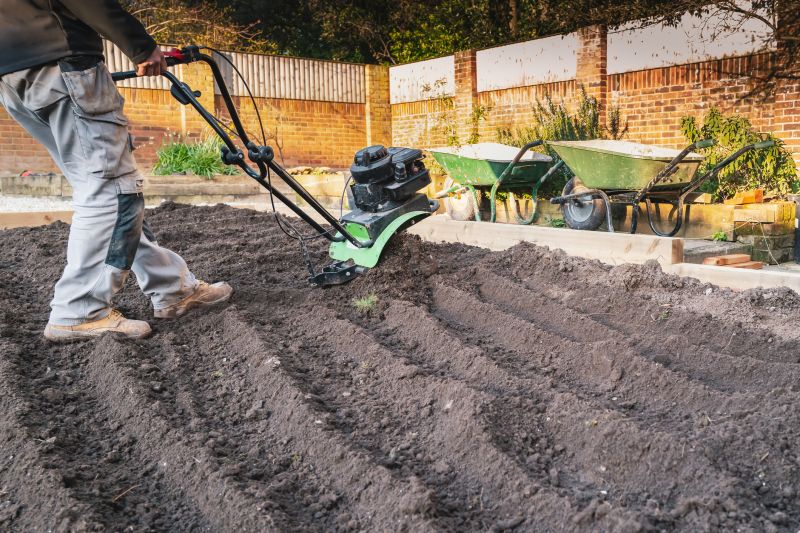
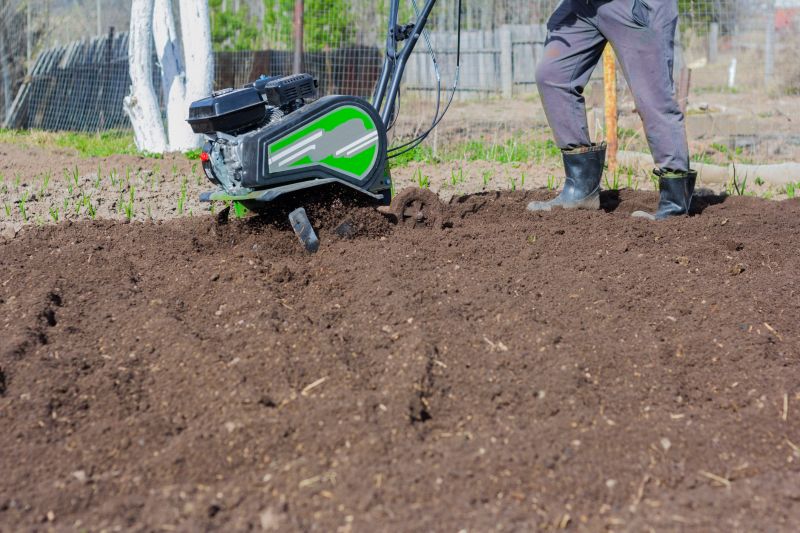
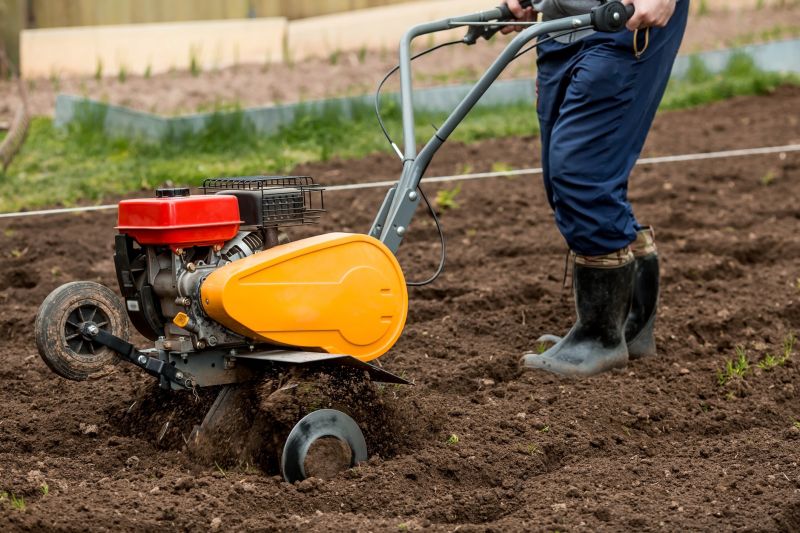
Garden Rototilling Services for Property Owners
This page explains how local contractors provide garden rototilling services and helps property owners compare options and connect with nearby experts.
- - Residential homeowners seeking to prepare their lawns for planting or landscaping projects.
- - Commercial property managers needing to maintain large outdoor spaces with even, well-tilled soil.
- - Garden enthusiasts looking to improve soil health and optimize garden bed conditions through professional rototilling.
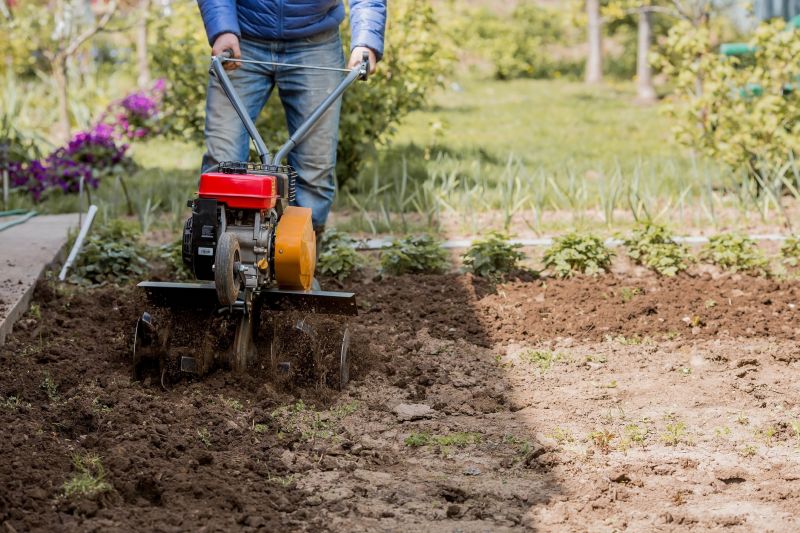
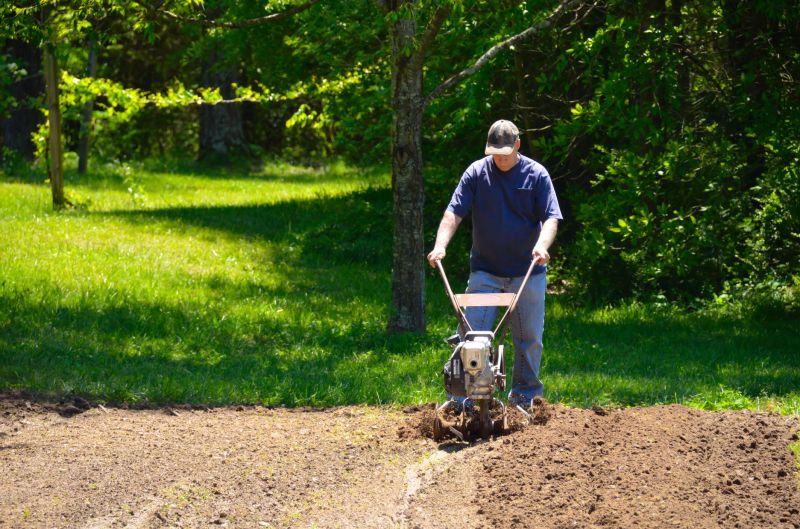
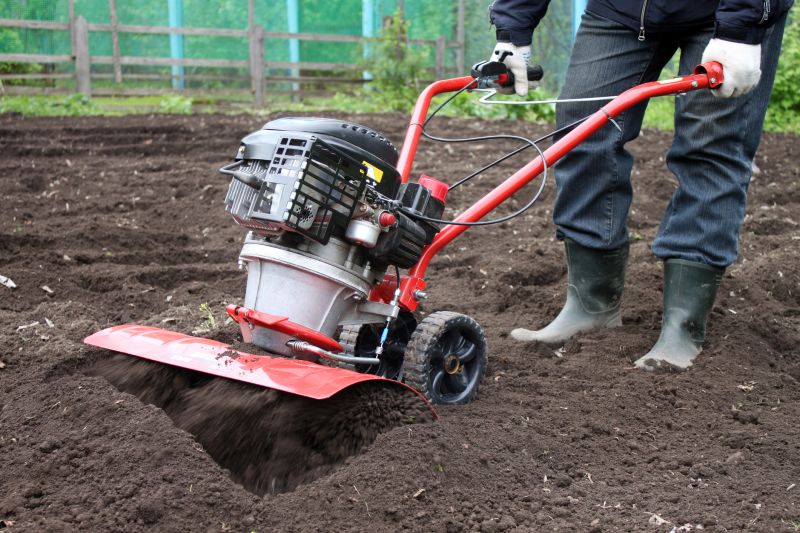
Garden rototilling services are often needed by property owners looking to prepare their soil for planting, improve existing garden beds, or establish new landscaping features. Local contractors who specialize in land cultivation and soil preparation typically handle these tasks, offering equipment and expertise to break up compacted soil, remove weeds, and create a suitable foundation for planting. Homeowners seeking rototilling services can expect to find experienced professionals who understand local soil conditions and can adapt their work to meet specific garden or landscape needs.
Connecting with nearby service providers ensures that property owners receive tailored solutions for their garden projects. These local contractors often work with a variety of soil types and garden sizes, providing the necessary equipment and techniques to achieve desired results. Whether for a small backyard garden or larger landscaping projects, local pros can assist with efficient rototilling that helps promote healthy plant growth and a thriving outdoor space.
This guide helps visitors understand the key factors to consider when choosing garden rototilling services. It provides information to compare and connect with local contractors who handle the work. The goal is to assist in gathering the basics needed to make informed decisions about garden preparation.